

Home / Flood Insurance
Don’t get caught without coverage
Your homeowners policy doesn’t cover flooding, but don’t worry: we have many flood insurance options. And you need it well before that big storm.
Read this part twice
Three facts that decide most flood outcomes
- Homeowners does not cover flood. Standard homeowners, condo and renters forms exclude flood damage outright. This is not a coverage limit or a deductible question; the peril is simply not in the policy.
- Storm surge is flood, not wind. After a hurricane the same house can have a wind claim on the homeowners policy and a flood claim on the flood policy, adjusted separately by different adjusters. With no flood policy, the water half of the damage is yours.
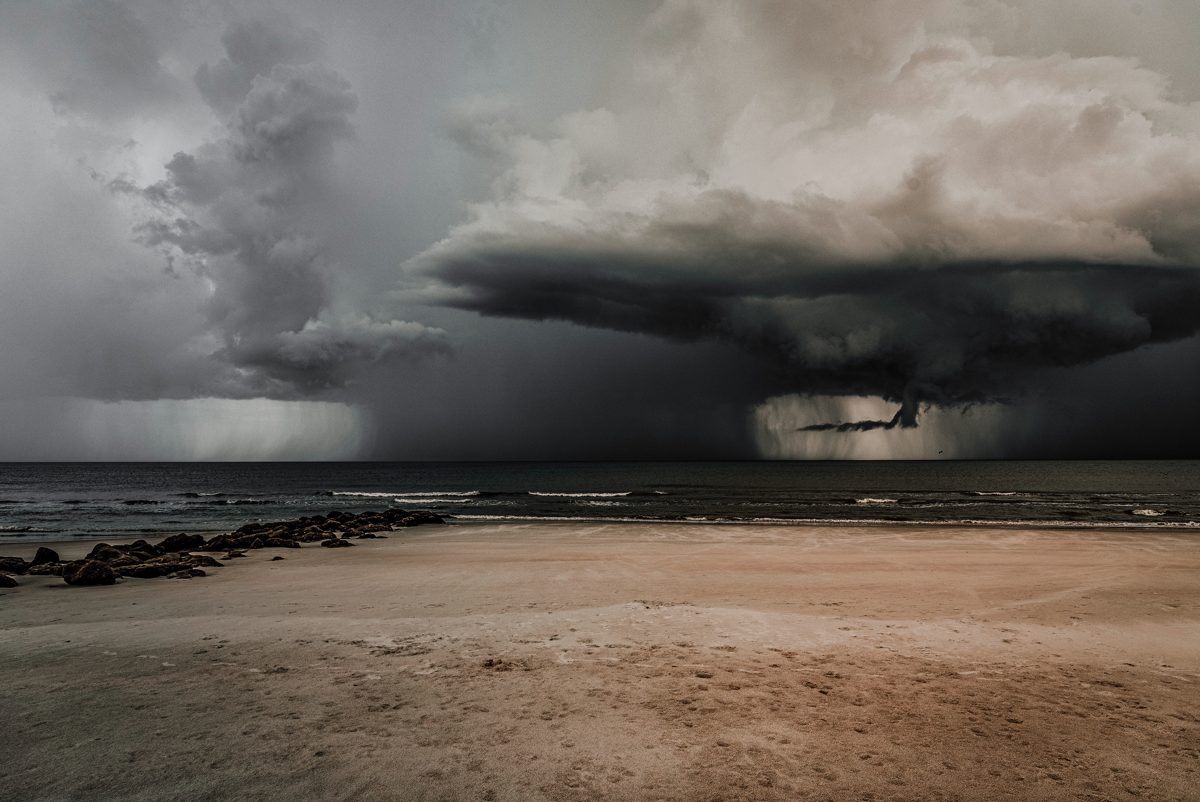
- There is normally a 30-day waiting period. Most policies do not take effect until 30 days after you buy them. There are narrow exceptions, most commonly a policy bought in connection with a loan closing, but you should plan on 30 days. The week a storm forms in the Gulf is too late.
Start here
What should you know about flood insurance?
About 90% of all natural disasters in the U.S. involve flooding, and even if you aren’t in an area designated as high-risk, it’s still something to think about: according to FEMA, about 25% of all flood claims come from low- to moderate-risk flood areas.
-
You need a separate flood insurance policy
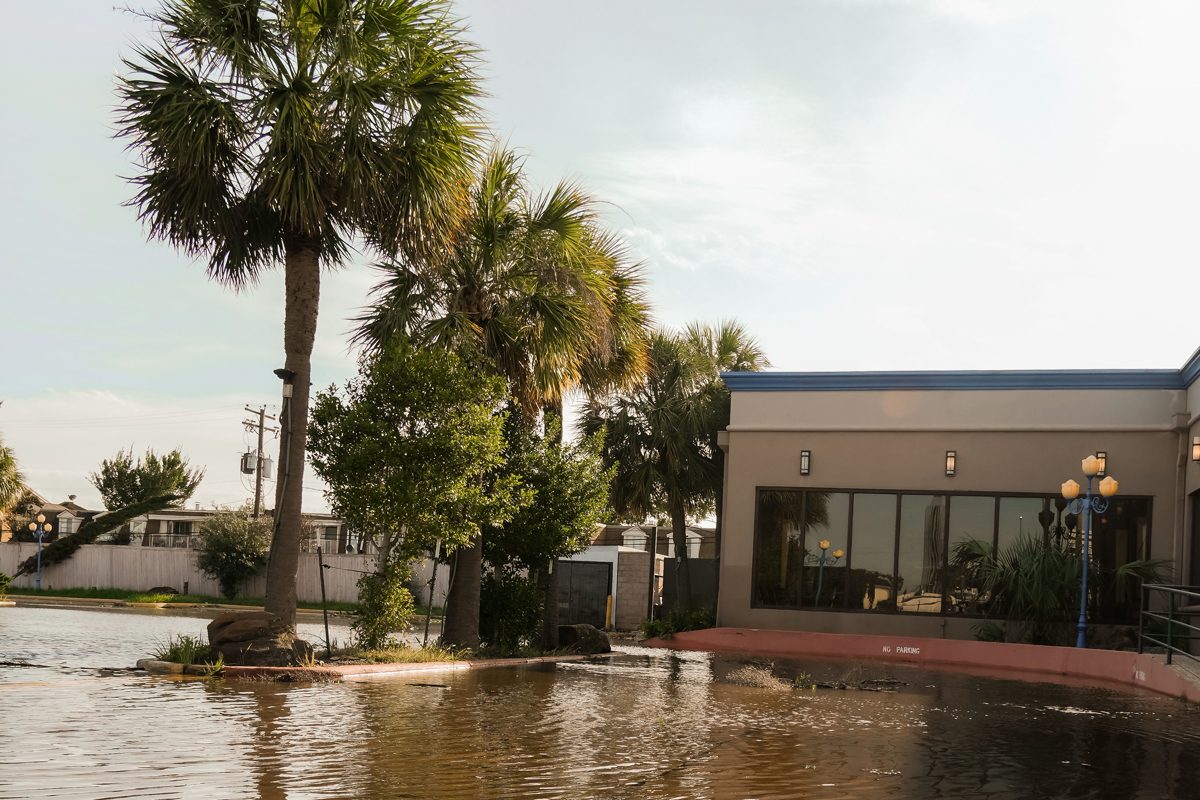
Standard property policies do not cover damage from water coming into the property from the ground. Water coming into a home from the ground is called flooding and is not covered by a typical homeowner’s insurance policy, condominium unit-owners insurance policy, or other forms of property insurance policies. A separate flood insurance policy must be purchased to cover this peril. It would include water that seeps into the home from a heavy rainfall or as the result of a lake, ocean or river overflowing onto the property. In fact, typical property insurance policies do not include coverage for damage resulting from flood even if hurricane winds and rain caused the flood to occur. Florida is surrounded by water, and flood insurance coverage is very important. And you need it well before that big storm, too. Most policies have a 30-day waiting period for coverage.
-
Flood insurance doesn’t cover all flooding
This insurance is for things like storm surges after a hurricane, or a massive rain event. If your dishwasher springs a leak, or your pipes burst after a deep freeze (yes, we know, unlikely here in Florida), this is not considered a “flood.” Flood insurance is for “rising water” which enters the home from the ground. However, your auto policy typically covers your flooded vehicle if you have comprehensive coverage.
-
You have more options than you think
The federal government is the most well-known provider of flood insurance, but there are private insurers as well. Neither is automatically better; it depends on your property, your lender’s requirements and what you need covered. Being independent means we can price both sides and show you the comparison.
Definitions matter here
What counts as a flood
Flood has a specific technical meaning, and it is narrower than “water got into my house.” In broad terms it is an excess of water on land that is normally dry, affecting either two or more acres or two or more properties, from overflowing inland or tidal water, from unusual and rapid runoff or surface water, or from mudflow.
The practical rule of thumb we use: if the water came up from the ground or in from outside at ground level, think flood. If it came in through the roof or a broken window during a windstorm, think homeowners. Real claims are messier than the rule of thumb, which is exactly why you want both policies.
- Typically covered: Storm surge pushing seawater into the house
- Typically covered: A river, canal or retention pond overtopping its banks
- Typically covered: Rapid surface runoff after extreme rainfall, spreading across the neighbourhood
- Typically covered: Mudflow, as defined in the policy
- Typically not covered: Rain blown through a hole the wind made in your roof, which is normally a homeowners wind claim
- Typically not covered: A burst pipe or a failed water heater, which is normally homeowners, not flood
- Typically not covered: Sewer or drain backup on its own, which usually needs a separate endorsement
- Typically not covered: Your vehicle, which is covered instead by comprehensive on the auto policy
How a flood policy is built
Building coverage and contents coverage are two separate purchases
This catches people out more than anything else on this page. Buying flood insurance does not automatically insure what is inside the house.
Building coverage
The structure itself and the systems permanently part of it: foundation, walls, electrical and plumbing systems, furnace, water heater, built-in appliances and permanently installed cabinetry.
Through the National Flood Insurance Program, residential building coverage is capped at a federal maximum. Homes worth more than that cap can be topped up with excess flood coverage through the private market.
Contents coverage
Your furniture, clothing, electronics, portable appliances and the rest of what you would take with you if you moved. It is purchased separately and it is not automatic. Renters can buy contents flood coverage without owning the building at all.
NFIP contents coverage is written on an actual-cash-value basis for most items, which means depreciation is applied. Private flood carriers sometimes offer replacement cost. It is a real difference worth asking about.
Two limitations people discover at the worst possible moment
- Below the lowest elevated floor. In crawlspaces and the enclosed area beneath an elevated home, coverage is sharply restricted. Some building systems are covered; most contents are not. That garage full of tools under the house is generally not covered.
- Outside the walls. Landscaping, fences, seawalls, decks, pools, patios and, in most cases, vehicles fall outside a flood policy.
Questions we get weekly
Flood insurance questions, answered straight
Is the 30-day waiting period ever waived?
There are narrow exceptions. The best known is a policy bought in connection with a loan closing, which generally takes effect at closing. There are also specific rules around properties newly mapped into a high-risk zone. Assume 30 days unless we confirm otherwise for your exact circumstances.
I’m not in a flood zone. Do I still need it?
Everywhere is in a flood zone; the question is only which one. Zones beginning with A or V are the high-risk areas where a federally backed mortgage normally requires flood insurance. Lower risk is not no risk, and lower risk usually also means a lower premium, which makes the coverage an easier decision rather than a skippable one.
I rent. Do I need flood insurance?
You cannot insure a building you do not own, but you can buy contents flood coverage for your own belongings. If you are on a ground floor anywhere near water in Lee County, it is worth a conversation.
Does flood insurance cover my temporary housing while the house is repaired?
NFIP policies generally do not include additional living expense or loss of use, which is a meaningful difference from a homeowners policy. Some private flood products do. If that matters to you, say so and we will look specifically for it.
What should I do the day after a flood?
Safety first, then document everything before you start removing anything: photos and video of every room, every wall, and the waterline. Report the claim promptly, keep receipts for anything you buy to mitigate further damage, and call us.
General information, not advice about your policy. Coverage definitions, exclusions, deductibles, eligibility and availability vary by carrier, by policy form and by property, and they change over time. Nothing on this page adds to or changes what your own policy says. Please talk to a licensed agent about your specific situation: call 239-482-3040 or contact the office.
Other coverage we handle
-
Auto
Coverage, limits and the uninsured motorist question
Auto insurance -
Home
Renovations, valuables and what is not included
Home insurance -
Specialty
Boats, RVs, golf carts, classic cars and umbrella
Specialty insurance -
Commercial
Liability, property, workers comp and more
Commercial insurance
Get in touch
Flood insurance can help you rebuild your home, and your life, after a catastrophe.
Call 239-482-3040 to talk about your options. The right week to buy flood insurance is a quiet one, not the week a storm enters the Gulf.